
Review · CARTAGENA
Mangroves, cultural fishing, black heritage town and lunch
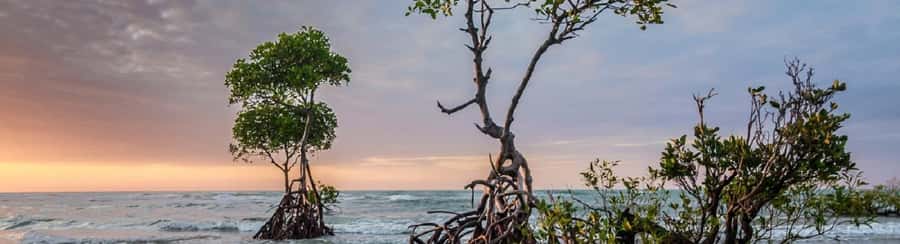
La Boquilla’s mangroves offer a side of Cartagena that most visitors miss. You ride through narrow green channels, watch local fishermen work their nets, and visit a coastal community shaped by African heritage and fishing traditions. The cultural setting is the real draw, not just the boat ride.
I like the chance to try traditional net fishing yourself, and I like that lunch is part of the experience rather than an extra expense. The fresh seafood and coconut-based cooking add real local flavor. The main caution is time: three hours goes quickly, and some outings have felt rushed, with less than an hour on the water and a short meal stop.
Key points to know before booking
- La Boquilla gives you a close look at Afro-Caribbean life just outside Cartagena.
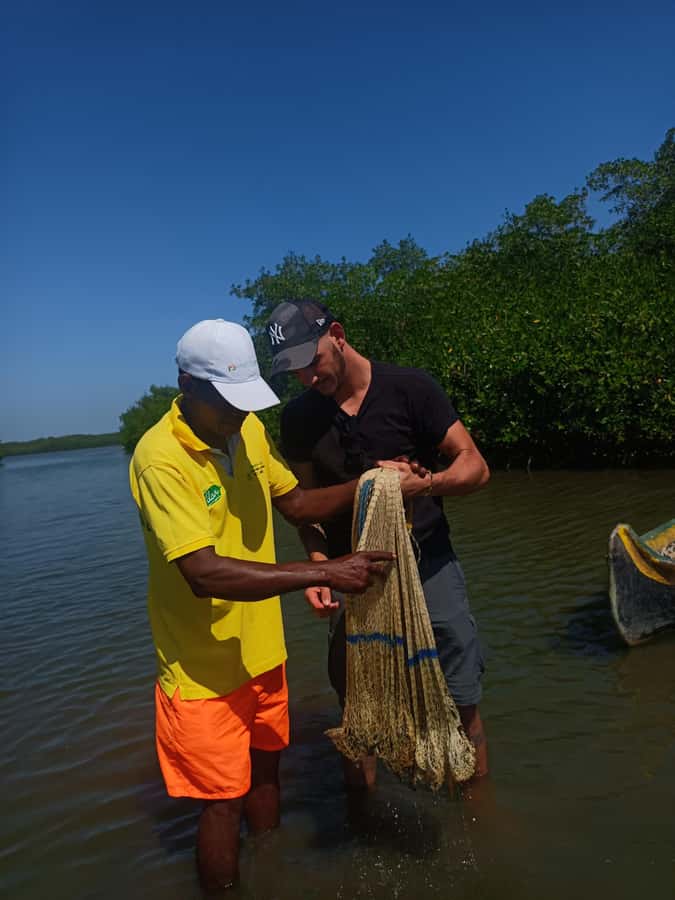
- You can cast a traditional fishing net with help from a local fisherman.
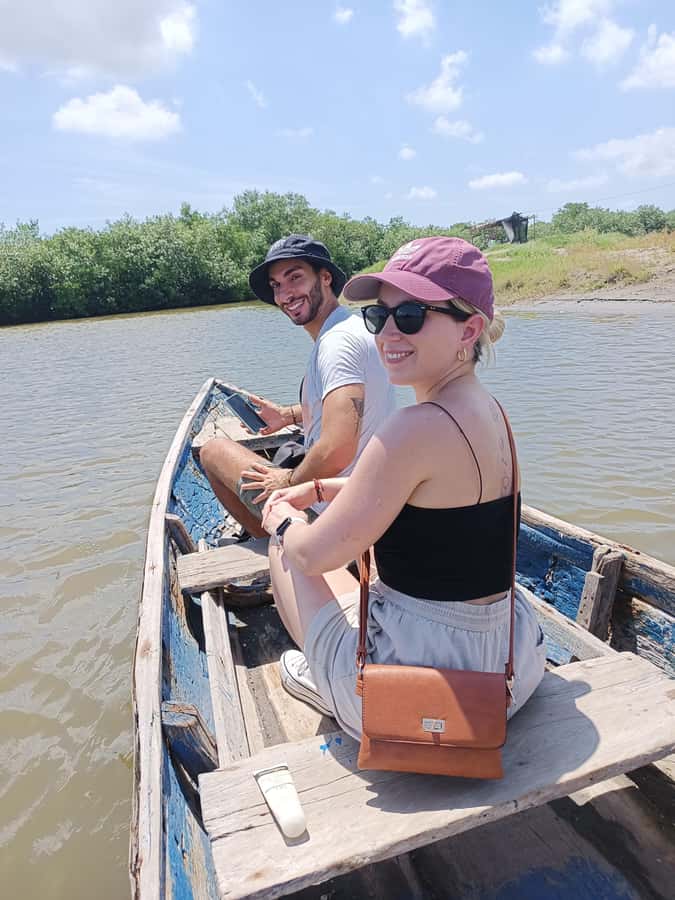
- The mangrove trip uses small boats or canoes, passing through leafy channels and swamp habitat.
- Lunch includes local seafood and Caribbean-style flavors, often built around coconut and fresh seasonings.
- The tour is private, with English and Spanish guiding available.
- The $49 price includes transport from Crespo, lunch, the village walk, and the return trip, but not hotel pickup.
Why La Boquilla feels different from Cartagena
Cartagena’s old center is all stone walls, grand balconies, and polished plazas. La Boquilla feels much more connected to the water. This fishing village sits near the Caribbean coast and retains an Afro-Caribbean identity tied to families who have lived from the sea and nearby wetlands for generations.
The community’s past matters here. The area was once a haven for freed slaves, and local pride in African ancestry remains part of its identity. You are not simply passing through a scenic wetland. You are visiting a place where fishing, music, food, and family history still shape daily life.
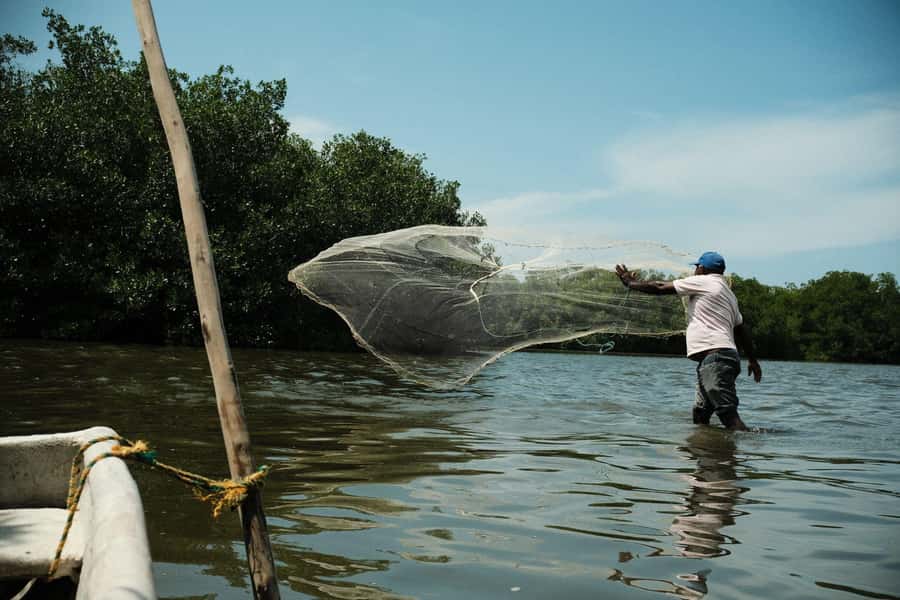
A short walk through the village helps set the scene before or after the boat ride. You may see fishermen preparing nets and get a sense of how close the homes and working areas are to the water. This part is brief, so think of it as an introduction rather than a full walking tour of La Boquilla.
The cultural element works best when you approach it with curiosity and respect. The tour gives you a chance to meet local people and hear about their way of life, but it is not a museum visit or a long formal history lecture. Much of the value comes from conversation with your guide and the people involved in the fishing activity.
More Fishing Trips with Lunch in the world:
- Rovaniemi: Snowmobile and Ice Fishing Adventure with Lunch
★ 4.8 · 879 reviews - Makarounas Fishing Boat Trip with swimming stop and BBQ on board
★ 5.0 · 831 reviews - Santorini Fishing Private Cruise boat tour – BBQ, Snorkeling
★ 5.0 · 354 reviews
Getting from Crespo to the fishing village
The meeting point is Favipan Crespo on Calle 70 in Cartagena’s Crespo district. Transportation from that point to La Boquilla and back is included, but hotel pickup and drop-off are not. That detail matters if you are staying in the old city, Getsemaní, or another part of Cartagena.
You should arrive 15 minutes early. The activity lasts three hours in total, so a late arrival can cut into the boat ride, fishing, or lunch rather than simply delaying the whole group.
The drive to La Boquilla is part of the change in atmosphere. You leave the more familiar tourist areas and pass into a working coastal community. One guest described the drive through La Boquilla as an eye-opener, which is a fair way to think about it. You will see a less polished side of Cartagena, but also a more direct view of local life.
The private-group format is useful here. You are not placed into a large bus tour, and the guide can speak directly with your group. Guides named in the experience include Alex and Luis. Alex has been described as warm and easy to talk with, while Luis handles the canoe or boat skillfully. The exact guide can vary.
English and Spanish are offered. English fluency may also vary by guide. One French-speaking visitor found that a translator helped when the guide’s English was limited. If detailed explanations matter to you, confirm your preferred language when booking and be ready to use a translation app if needed.
Entering the mangrove channels by boat
The boat ride is the heart of the outing. You travel through the mangrove forest, where dense branches form bright, leafy tunnels over the water. The setting is quiet and close-up, with the boat moving through narrow channels rather than across open sea.
Keep your eyes open for animals native to the region, but do not book this as a guaranteed wildlife sighting trip. The supplied description promises the chance to look for local wildlife, not a fixed list of animals or a specialist guide. The mangrove itself is the main attraction: roots, still water, shade, and the changing view as the boat turns through the swamp.
I like this kind of short nature trip because it gives you a strong sense of place without taking an entire day. You get out on the water, see a habitat that is very different from Cartagena’s historic center, and return in time for other plans.
The boat portion may be shorter than you expect. One account estimated less than an hour on the water, followed by less than an hour for lunch. Since the advertised duration is three hours, the remaining time includes transport, the village visit, fishing, and the return to Crespo.
That timing is not necessarily a problem, but you should set your expectations correctly. This is a compact introduction to the mangroves, not a full-day nature expedition. If you want a long paddle, extensive wildlife watching, or hours of quiet on the water, this may feel too brief.
Trying the traditional fishing net
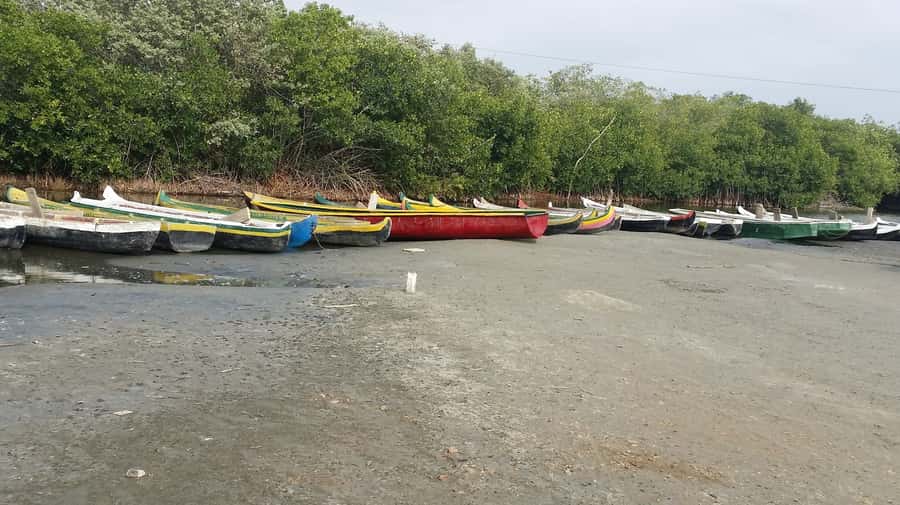
The fishing activity gives the boat ride a practical purpose. Instead of only looking at the mangroves, you get to try a local fishing method yourself. A fisherman shows you how to cast the net, and you have the chance to throw it several times.
It looks easier than it is. The net must open properly as it lands, and timing, balance, and technique all matter. That small challenge is part of the fun. You are not expected to become a working fisherman in one visit, but you get a better idea of the skill involved in bringing food from the water to the table.
This is one of the strongest parts of the experience because it connects the scenery with local work. The mangroves are not just pretty channels for a boat ride. They are part of a living fishing economy.
The fishing stop can also be short. One visitor enjoyed trying the nets but felt the overall outing would have benefited from a slower pace. If your guide has another appointment afterward, you may notice that the schedule is being watched closely. I would ask at the start how much time is planned for boating and fishing so you know what to expect.
More history walks around the world:
- Hong Kong: Aberdeen Fishing Heritage Tour with Seafood Feast
★ 4.3 · 3 reviews
A seafood lunch with coconut and Caribbean seasoning
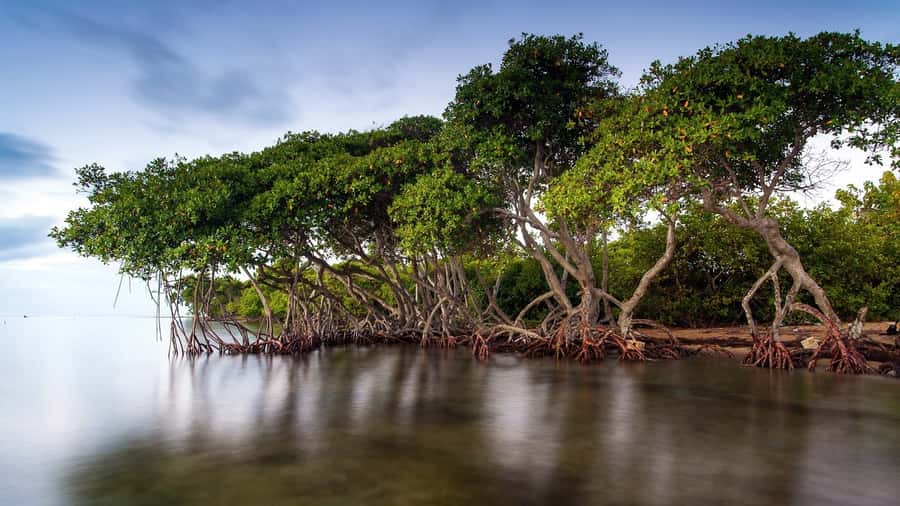
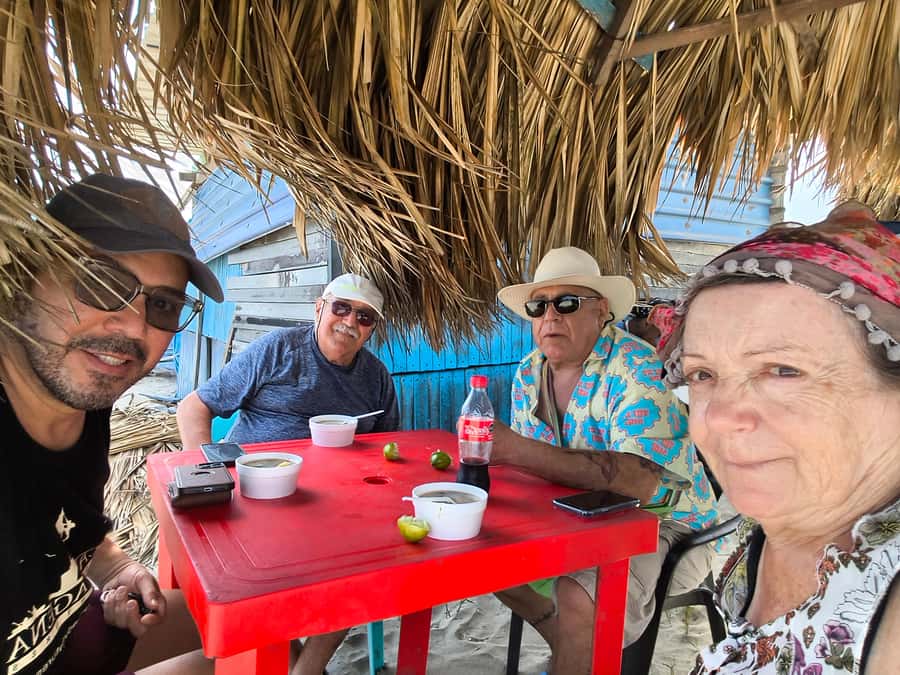
After the mangrove trip and fishing stop, you sit down to a typical Afro-Caribbean meal. Lunch is included in the $49 price, and the food centers on fresh, locally caught seafood with coconut and other seasonings common in Caribbean cooking.
The meal is not an optional add-on or a generic packed lunch. It gives you a direct taste of the region’s food traditions. Coconut brings sweetness and body, while local spices and fresh seafood keep the meal tied to the coast.
Food quality can vary from person to person, and one visitor found lunch merely acceptable while enjoying the boat trip more. Another described the meal as excellent, and several positive accounts singled out the included food as a strong part of the value. I would treat lunch as an important part of the cultural experience, but not the sole reason to book.
The setting also matters. The meal takes place near the beach, and you have a short walk afterward to help digest. This is not a long beach afternoon, and the walk is not presented as a major coastal excursion. It is a pleasant final pause before returning to Cartagena.
What the $49 price really covers
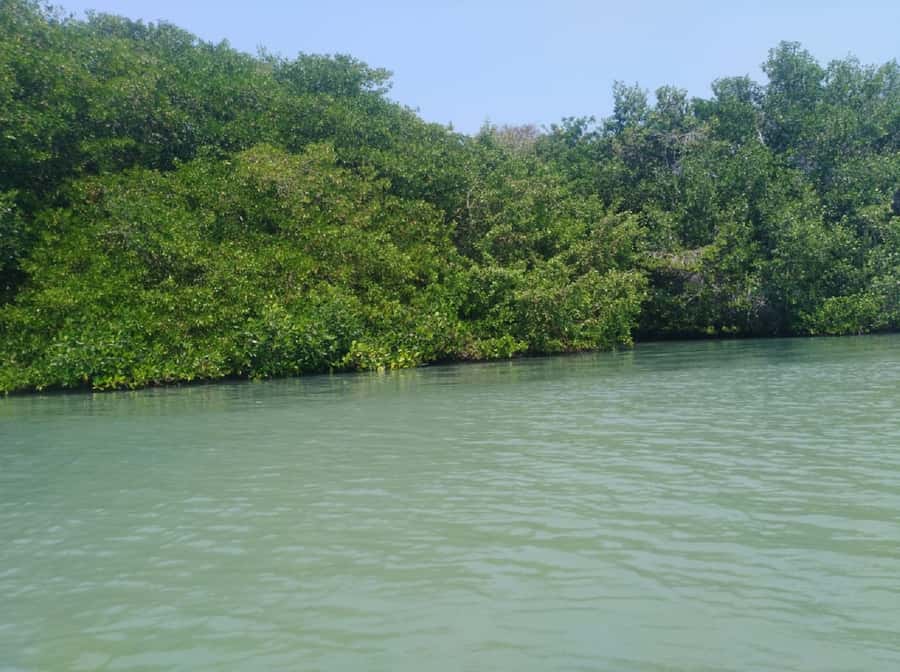
At $49 per person, the tour offers solid value if you want several small experiences bundled together. You receive transportation from the Crespo meeting point and back, a village visit, a mangrove boat ride, fishing instruction, lunch, and a guide in a private group.
The price becomes less attractive if you mainly want a long boat trip. The water portion can be under an hour, and the whole experience ends after three hours. You are paying not only for time on the water, but also for the local guide, the cultural visit, the fishing demonstration, and the meal.
The private-group setup helps justify the cost. You avoid being one person in a large crowd, and the outing can feel more personal. It also means you should be clear about your priorities. If your group cares most about fishing, ask for enough time to practice. If food is central, ask what lunch includes. If you want cultural background in English, confirm the language arrangement.
The tour also offers free cancellation up to 24 hours before the start and a reserve-now, pay-later option. Those policies make it easier to fit into a Cartagena schedule that may change, though they do not alter the short duration or meeting-point arrangement.
The guides and the pace of the day
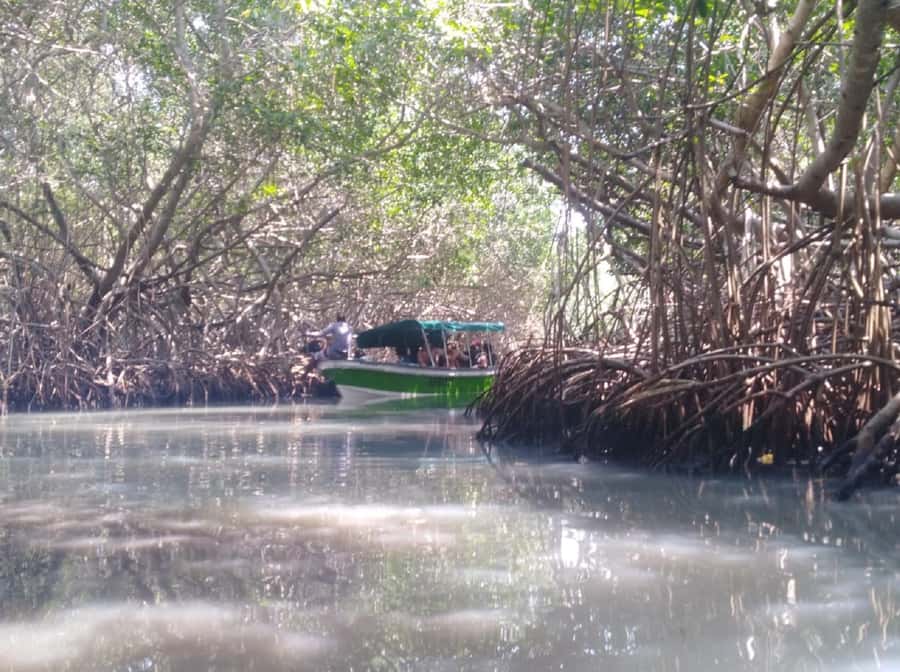
A good guide makes a real difference here because the activity relies on explanation and conversation. Alex has been described as charming, pleasant, and easy to talk with. He has guided visitors through the mangroves, fishing activity, and lunch. Luis has been praised for his skill handling the canoe.
The guide is also the link between the visitor and the community. You can ask about fishing, local customs, the mangrove environment, and Afro-Caribbean identity. Do not expect a formal academic presentation. The experience is more conversational and hands-on.
Language is worth considering. English and Spanish are available, but the level of English may not be equally smooth with every guide. If you speak neither language comfortably, a translation tool could help. This is especially useful during the cultural portion, where a few extra questions can make the visit more meaningful.
The pace is the main weakness to watch. At least one outing felt hurried because the guide appeared to have another appointment. That does not mean every departure runs that way, but it is a fair reason to ask about the schedule. Three hours is enough for a taste of La Boquilla, not enough for a leisurely village visit, long boat ride, extended fishing lesson, and relaxed lunch all at once.
Who will enjoy this outing most
I would recommend this tour to you if you want a short excursion beyond Cartagena’s historic center and prefer meeting local people to sitting on a sightseeing bus. It suits couples, families, and small private groups that like a mix of nature, food, and culture.
It is also a good choice if you want an easy introduction to mangroves without giving up a full day. The short format leaves room for other Cartagena plans, and transport from Crespo keeps the basic logistics simple once you reach the meeting point.
You may want something else if you are looking for a serious fishing trip, a long wildlife session, or a quiet beach day. The fishing is an introduction, not a full catch-and-cook expedition. The mangrove ride is scenic but compact. The beach walk is short, and lunch is part of the schedule rather than a long restaurant stop.
Bring your passport or ID card, comfortable shoes, and comfortable clothing. You should also be prepared for the practical conditions of a boat and fishing activity. No special equipment is listed as required, and lunch is included.
Should you book the La Boquilla mangrove tour?
Book it if you want a compact, personal look at Cartagena’s coastal culture. The strongest combination is the local fishing lesson, the mangrove channels, and the Afro-Caribbean meal. At $49, that package is fair, especially for a private group with transport from Crespo and lunch included.
Book with some caution if your main goal is uninterrupted time on the water. The three-hour schedule can feel tight, and some departures have spent less than an hour boating and less than an hour eating. Ask about the pace and language before you commit.
For most people, I would call this a worthwhile half-day-style outing, provided you see it as a cultural introduction rather than a major expedition. You leave Cartagena’s usual route, meet people connected to the water, try a fishing technique that takes real skill, and taste food rooted in the Caribbean coast. That is a useful and memorable change of scene.
FAQ
Where does the tour start?
The meeting point is Favipan Crespo on Calle 70 in Cartagena, Bolívar, Colombia.
Is hotel pickup included?
No. Hotel pickup and drop-off are not included. Transportation is provided from the Crespo meeting point and back to that point.
How long does the experience last?
The activity lasts three hours. Starting times depend on availability.
What languages are available?
The tour offers English and Spanish guiding.
Is the group private?
Yes. The activity is arranged as a private group.
What does the price include?
The $49 per-person price includes lunch, a short walk in the village, and transportation from the meeting point to the activity and back.
Can I try traditional fishing?
Yes. You can try casting a traditional fishing net with help from a local fisherman.
What should I bring?
Bring your passport or ID card, comfortable shoes, and comfortable clothing. You should arrive at the meeting point 15 minutes before the activity begins.
New trips around the world
- Fishing Charter 6 Hours★ 5.0 · 5 reviews
- Boca Raton Deep Sea Fishing Trips★ 4.0 · 2 reviews
- Peacock Bass Fishing Trips near Boca Raton★ 5.0 · 18 reviews
- Fishing Charter 4 hours★ 5.0 · 2 reviews
- Kona Hawaii Deep Sea Fishing Escapade on the Bite Me 6★ 5.0 · 8 reviews
- Half Day Private Cruise Tour with Snorkeling and Fishing in Kona★ 5.0 · 3 reviews
- Big game fishing trips Boa Vista★ 4.5 · 7 reviews
- Kona Hawaii Fishing/Snorkel Large Group Private Charter on OE★ 4.5 · 10 reviews
Fishing Trips with Lunch, compared.

Snowmobile and Ice Fishing Adventure with Lunch
Read our review →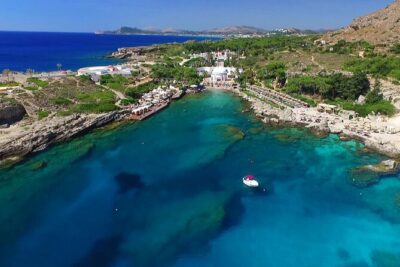
Makarounas Fishing Boat Trip with swimming stop and BBQ on board
Read our review →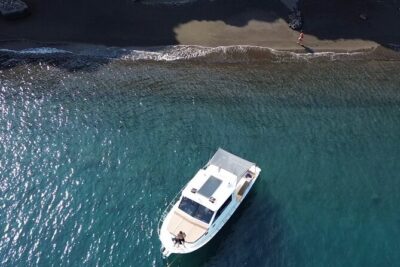
Santorini Fishing Private Cruise boat tour – BBQ, Snorkeling
Read our review →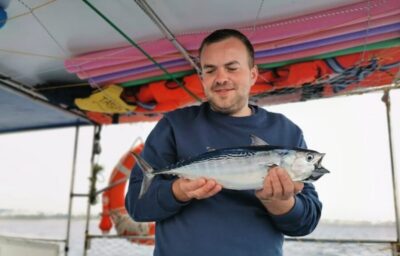
Fishing Trip, Snorkelling, BBQ, & Professional Guide
Read our review →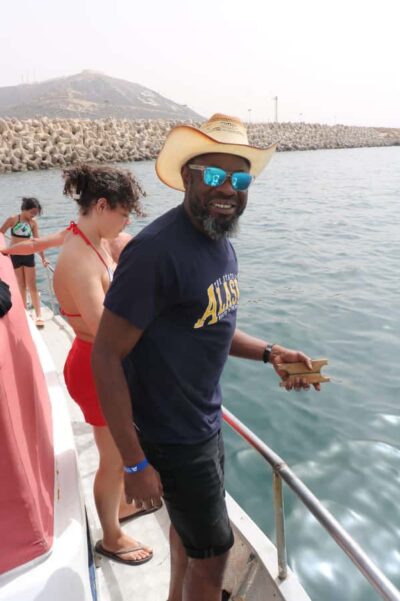
Half-Day Boat Trip in Agadir: Fishing, Fish BBQ & Swimming
Read our review →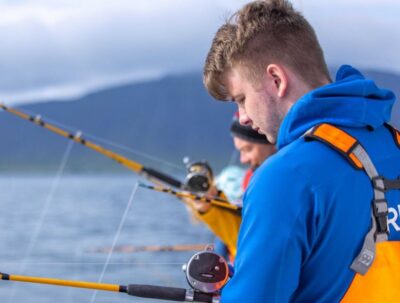
Sea Fishing Boat Tour & BBQ with the Day’s Catch
Read our review →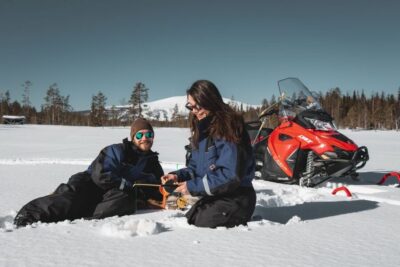
Snowmobile Safari with Ice Fishing and Outdoor Lunch
Read our review →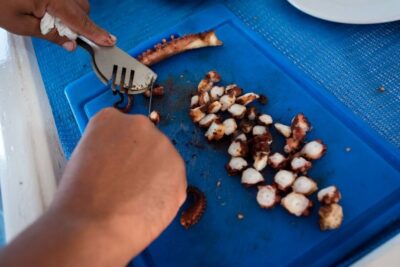
Browse the lists this tour appears in