
Review · WORLDWIDE
Mumbai Coastal Cooking: From Fishing Net to Flavourful Plate
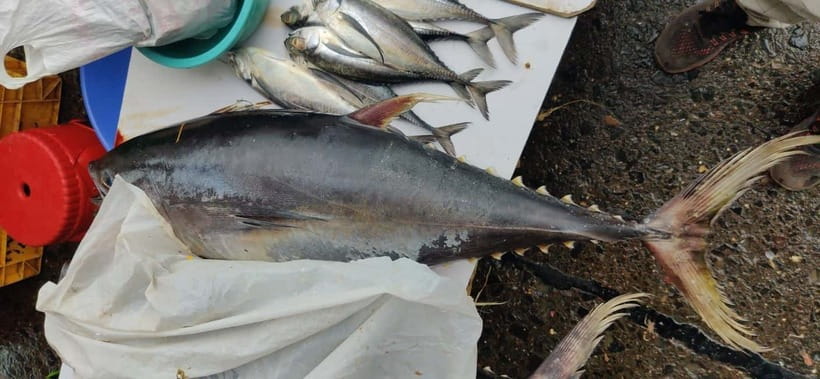
Mumbai’s fishing culture comes alive here through food, not a museum display. You may walk past boats, nets, docks, and a fish market, then sit in Kavitha’s home and turn fresh ingredients into fish curry, fried mandeli, rice, and roti. The home setting makes the experience personal, while the market visit connects the meal to daily life.
I like the chance to meet fisherwomen in colorful sarees and watch traditional net weaving. I also like the small private-group format, with English-speaking hosts Kavitha and Ravi who can explain both the cooking and their own lives. The main consideration is that access to the fishing village can change, and one recent session took place entirely at Kavitha’s home instead.
Key points at a glance
- A meal taught in a local home: Kavitha guides you through fish curry, fried fish, roti, rice, and other coastal dishes.
- A look at Mumbai’s fishing roots: The experience connects today’s city with the fishing communities that lived here when Mumbai was still seven islands.
- Market-to-plate cooking: Depending on access and timing, you may see the fish market before preparing the meal.
- Traditional skills on view: Boats, fishing docks, net weaving, and older fishing methods form part of the planned village visit.
- A private, conversational format: The host speaks English, and the group is private rather than shared with a large crowd.
- Strong value at $21: Three hours of food, local contact, transport by tuk-tuk, and a cooking class make this a good low-cost cultural outing.
Why this three-hour Mumbai experience feels different
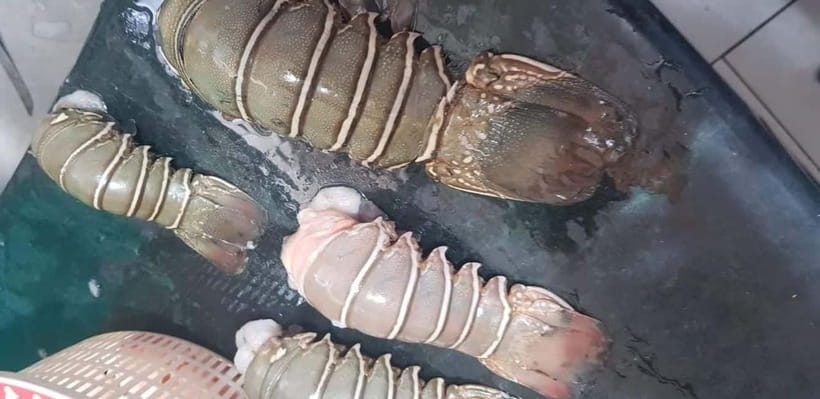
Many food activities in Mumbai focus on eating your way through a set route. This one tries to show you where the food begins. Fishing is tied to Mumbai’s earliest communities, back when the city was a chain of seven islands and work on the water shaped daily life.
That context gives the cooking class more meaning. A fish curry is not just a recipe to copy at home. It becomes part of a story about boats, markets, families, and the coastal character of Maharashtra.
The planned format is a three-hour private outing. You meet at a designated point, then take a tuk-tuk to the fishermen’s village. From there, the experience moves through a historic festive ground linked to the British period, a local beach, fishing docks, and a market before ending at a fisherman’s home.
The route is not fixed in stone. Access restrictions prevented one recent guest from entering the fishermen’s village, so that session shifted to Kavitha’s home. It lasted about three to four hours and centered on cooking and conversation. That is worth knowing before you book: the village visit is an important part of the plan, but the home meal is the most dependable part of the experience.
More cook-your-catch classes around the world:
- Cooking Class Hoi An:Local Market, Basket Boat, Fishing & Cooking
★ 5.0 · 3,660 reviews - HoiAn:Making Lantern & Cooking Class-BasketBoat Ride,Crab fishing
★ 5.0 · 162 reviews - Hoi An: Cooking Class, Crab Fishing-Basket Boat, Market Tour
★ 4.8 · 108 reviews
From Mumbai’s seven islands to a fishing village
The first part gives you a look at a side of Mumbai that can be easy to miss behind the city’s modern streets. The fishing communities are described as Mumbai’s oldest tribe, and the outing uses their work and food to explain how the city developed.
A historic festive ground linked to British history is included in the planned walk. The available information does not give the site a formal name, so you should think of it as a brief cultural stop rather than a major monument visit. Its value is in showing how older local spaces sit within Mumbai’s layered past.
You then head toward the beach to see fishing boats and observe net work. Net weaving is a practical skill, not a staged performance, and watching it helps explain the labor behind the fish sold later in the market.
You may also see traditional fishing methods and the working docks. This part will appeal to you if you like ordinary city life more than polished sightseeing. It is also the section most affected by local access rules, so keep your expectations flexible.
Tuk-tuk travel and the shape of the route
The tuk-tuk ride is included, and it gives the outing a useful local feel from the start. It is not presented as a long sightseeing drive, but as the practical link between the meeting point and the fishing community.
The meeting point can vary by the option you choose. Check the exact details when booking, since the starting place is not the same for every option.
One guest reached the area used for shopping by metro rather than tuk-tuk. That suggests the meeting and transport arrangement can vary in practice, depending on the chosen option and current conditions. You should confirm the exact route if transport is important to you.
The private-group setup matters here. A market visit or home cooking session is easier to manage with a small party than with a busload of people. You can ask questions, watch the cooking closely, and take part instead of standing at the back.
The fish market and the women who run it
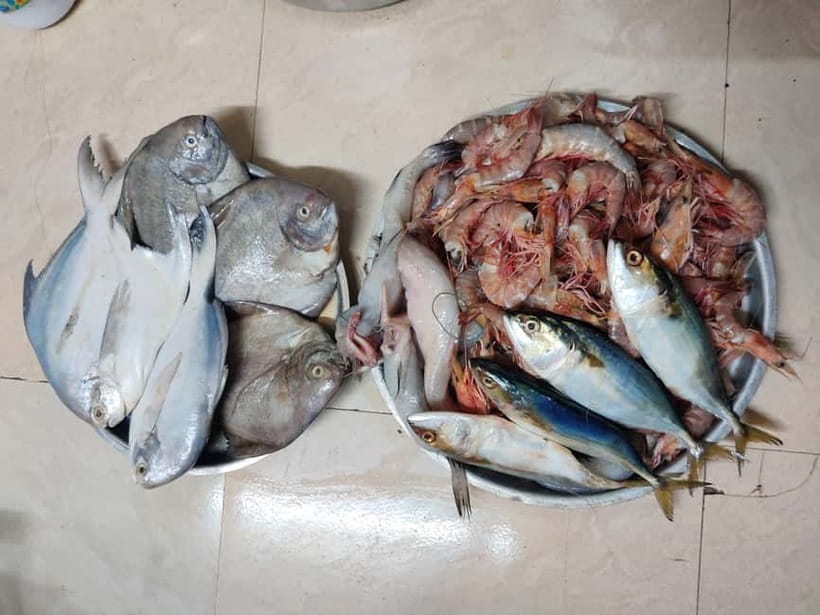
The market is meant to show the social side of Mumbai’s seafood trade. You may see fisherwomen selling fresh catches while dressed in colorful sarees, with the energy and directness of a working market around you.
This is not a quiet display arranged for tourists. It is a place where seafood is bought and sold as part of ordinary life. That can make the visit more interesting, but it also means you should be respectful. Follow the host’s lead about where to stand, what to photograph, and when to ask questions.
The market also gives you a better sense of the cooking class. Fish curry and fried fish are not abstract recipes when you have just seen seafood being sold nearby. The food connects to the people and places you encountered earlier.
The exact market experience can change if the village route is restricted. In that case, you may shop in a residential area instead. One session included a trip through a local neighborhood by metro, offering a look at people doing normal daily tasks. That alternative may not include the fishing docks, but it can provide a more grounded view of life away from Mumbai’s famous sights.
More fishing trips around the world:
- Tromsø: Arctic Fjord Cruise & Fishing Experience
★ 4.7 · 4,588 reviews - Rovaniemi: Snowmobile and Ice Fishing Adventure with Lunch
★ 4.8 · 879 reviews - Makarounas Fishing Boat Trip with swimming stop and BBQ on board
★ 5.0 · 831 reviews - Drift Fishing Trip off the Coast of Fort Lauderdale
★ 4.5 · 644 reviews
Cooking fish curry, mandeli, roti, and more
The cooking class takes place in a local home. Kavitha leads the session, and Ravi may join later, as he did during one four-hour visit. Both speak very good English, so you can ask about ingredients, methods, family food customs, and daily life without relying on a translator.
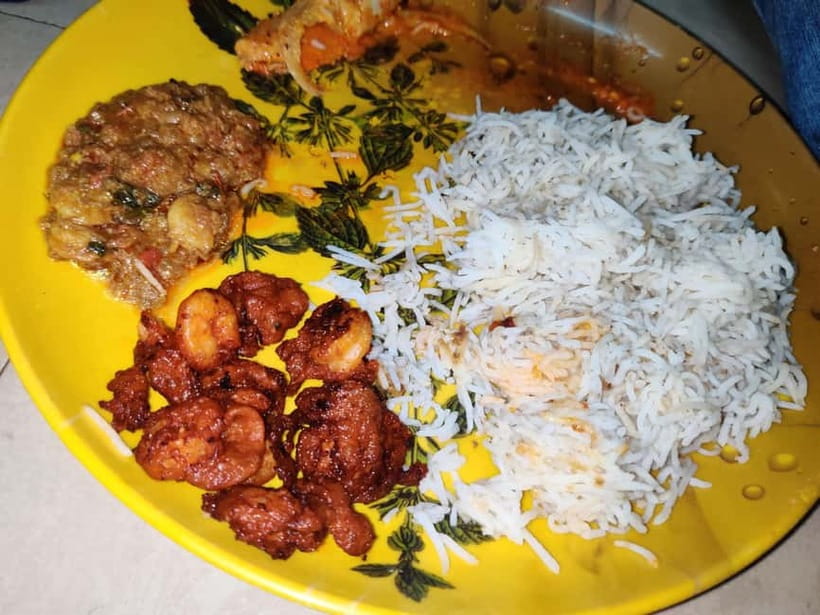
The dishes can include fish curry, fried fish, rice, roti, chapati, a local fisherman’s bread, chicken dishes, and a sour-spicy drink. The exact menu may vary, but seafood is the clear focus.
Mandeli, a small fish, received particular praise from one participant, who helped fry a batch. That detail gives you a sense of how hands-on the class can be. You are not simply watching a host cook everything while you wait for lunch. You may get to fry, shape, stir, or prepare part of the meal under guidance.
Kavitha’s teaching style is patient and practical. You learn what is being done as the dish comes together, step by step. Another guest specifically valued the lessons about both fish curry and fried fish, along with guidance for roti and chapati.
The home setting is a major part of the appeal. You sit down to eat with the people who prepared the meal, rather than leaving after a demonstration. In one session, Kavitha and Ravi shared food and conversation with their visitor. That makes the experience more like being welcomed into a household than attending a standard cooking school.
The conversations may be as valuable as the food
The cooking gives you a reason to talk, but the personal exchange is what can make the afternoon stay with you. Kavitha has spoken openly about her life and dreams, and her English makes longer conversations easy.
You may learn about food customs across India, not only the coastal dishes on the menu. You can also ask questions about how meals are prepared at home and how local ingredients fit into everyday life.
A home visit can challenge your assumptions about Dharavi and about Mumbai’s working communities. It is important to keep that contact respectful. You are entering someone’s living space, so listen carefully, avoid treating the home as a spectacle, and let the host set the tone.
This part is especially suited to you if you enjoy cultural exchange more than a tightly scripted tour. It is less suited to someone who wants a precise cooking syllabus, a formal demonstration kitchen, or a guaranteed village walk.
What $21 buys you
At $21 per person, the experience offers strong value if the full three-hour format runs as planned. The price includes the fishermen’s village visit, tuk-tuk ride, fish market visit, and coastal cooking class.
The value does not come from transport alone. You are paying for access to places and conversations that would be difficult to arrange on your own, especially the visit to a local home. You also receive a meal and practical cooking instruction.
If access restrictions remove the village portion, the value depends on how much you enjoy the home session. The available accounts describe cooking, eating, and talking for three to four hours, so the alternative is not a shortened placeholder. Still, if seeing the docks and fishing boats is your main reason for booking, you should accept that part may change.
The private-group format adds value. You are not sharing the class with a large crowd, and the English-speaking host can adjust the conversation and instruction to your interests.
Who should book this experience
You should consider it if you want to understand Mumbai through food, local work, and personal contact. It suits curious eaters, home cooks, couples, solo visitors, and anyone who prefers a small private setting.
It is a good match for people who want to try seafood dishes and learn how Indian flatbreads are made. It also works well if you enjoy asking questions and hearing personal stories.
Families may like the hands-on element, though the supplied information does not specify a child age range or family schedule. Ask before booking if you need details for children.
You may want a different activity if you need a guaranteed route, a formal historical tour, or a fully predictable menu. The village visit can be affected by access restrictions, and the dishes may change according to what is available.
Practical details before you reserve
The duration is listed as three hours, though one home session lasted about four hours. Plan for some flexibility rather than scheduling a flight, appointment, or timed attraction immediately afterward.
The host or greeter speaks English, and the activity is offered as a private group. The meeting point may differ by booking option, so check it carefully.
You can cancel up to 24 hours before the activity for a full refund. You can also reserve now and pay later, which helps if your Mumbai plans are still moving around.
The overall rating is five out of five from five verified bookings, with praise focused on the hosts, food, clear English, and personal nature of the meal. The strongest pattern is simple: Kavitha’s home cooking and conversation are the reliable heart of the experience, while the village and market route adds useful context when access allows.
Should you book Mumbai Coastal Cooking?
I would book this if you want a personal food experience rather than a standard cooking class. Kavitha’s warm teaching, Ravi’s involvement, the seafood dishes, and the chance to talk openly in a local home give the three hours real substance.
Book with one condition in mind: the fishermen’s village may not be accessible on the day. If you can accept a home-based cooking session as the main event, $21 is an excellent price for the time, food, instruction, and local contact. If the boats, nets, and market are essential, confirm the current route before reserving.
FAQ
Where does Mumbai Coastal Cooking take place?
The experience takes place in Maharashtra, India. The planned route includes a fishermen’s village, local beach, fishing docks, fish market, and a local fisherman’s home.
How long does the experience last?
The listed duration is three hours. One home cooking session lasted about four hours, so it is wise to allow some extra time.
What is included in the price?
The $21 price includes a visit to the fishermen’s village, a tuk-tuk ride, a fish market visit, and the coastal food cooking class.
Is the activity private?
Yes. The activity is offered as a private group.
What language does the host speak?
The host or greeter speaks English. Kavitha and her husband Ravi have been described as speaking very good English.
Will I definitely visit the fishermen’s village?
Not necessarily. Access restrictions prevented one recent visit to the village, so the session took place at Kavitha’s home instead.
What food will I learn to prepare?
Possible dishes include fish curry, fried fish, rice, roti, chapati, a local fisherman’s bread, chicken dishes, and a sour-spicy drink. The exact menu may vary.
Do I get to cook, or only watch?
The activity is hands-on. You may help with tasks such as frying mandeli, preparing fish dishes, and making roti or chapati.
Can I cancel for a full refund?
Yes. You can cancel up to 24 hours in advance for a full refund.
Can I reserve now and pay later?
Yes. The activity offers a reserve-now, pay-later option.
New trips around the world
- Fishing Charter 6 Hours★ 5.0 · 5 reviews
- Boca Raton Deep Sea Fishing Trips★ 4.0 · 2 reviews
- Peacock Bass Fishing Trips near Boca Raton★ 5.0 · 18 reviews
- Fishing Charter 4 hours★ 5.0 · 2 reviews
- Kona Hawaii Deep Sea Fishing Escapade on the Bite Me 6★ 5.0 · 8 reviews
- Half Day Private Cruise Tour with Snorkeling and Fishing in Kona★ 5.0 · 3 reviews
- Big game fishing trips Boa Vista★ 4.5 · 7 reviews
- Kona Hawaii Fishing/Snorkel Large Group Private Charter on OE★ 4.5 · 10 reviews
Cooking Classes, compared.
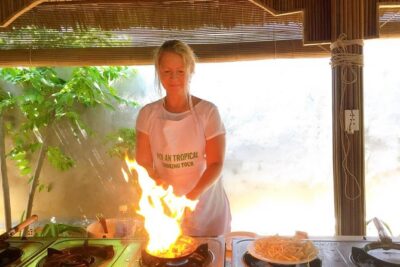
Cooking Class Hoi An:Local Market, Basket Boat, Fishing & Cooking
Read our review →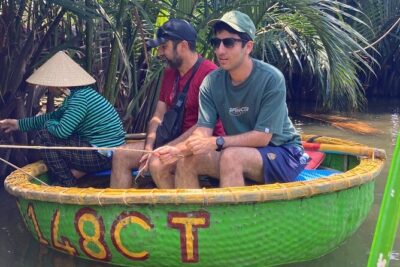
HoiAn:Making Lantern & Cooking Class-BasketBoat Ride,Crab fishing
Read our review →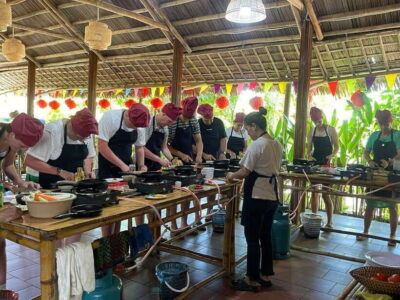
Cooking Class, Crab Fishing-Basket Boat, Market Tour
Read our review →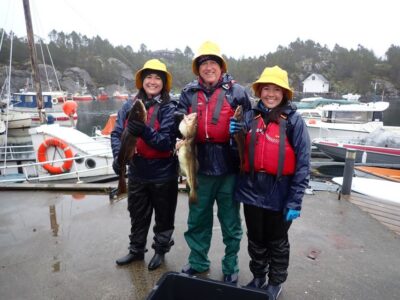
Bergen: Guided Fishing Tour with Outdoor Cooking
Read our review →
PRIVATE Mekong Delta 1 Day with Kayaking, Biking & Cooking
Read our review →
PRIVATE LUXURY Mekong 1 Day with Biking, Fishing, Cooking Class & BBQ LUNCH
Read our review →Browse the lists this tour appears in